MHT Recovery Hub hosts resources for inpatient behavioral healthcare.
This webpage is for mental health techs (MHTs) to support recovery from severe emotional distress, mental illness, substance abuse, and institutionalization.
Promoting and supporting recovery can complement the biomedical model of treatment, but has a long tradition of challenging the medical model.
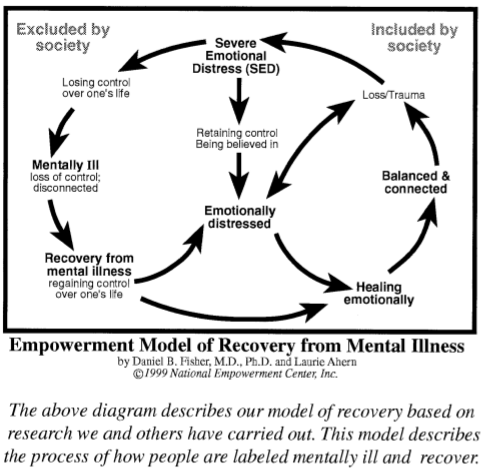
The Fischer-Ahern model emphasizes recovery's about civil rights. The SAMHSA model describes recovery as holistic basic wellness. Alcoholics Anonymous models recovery as peer fellowship, service, abstinence, and disciplined spirituality. There are many models, many paths to recovery. Both treatment-adherent and treatment-resistant people do recover.
How can MHTs support recovery?
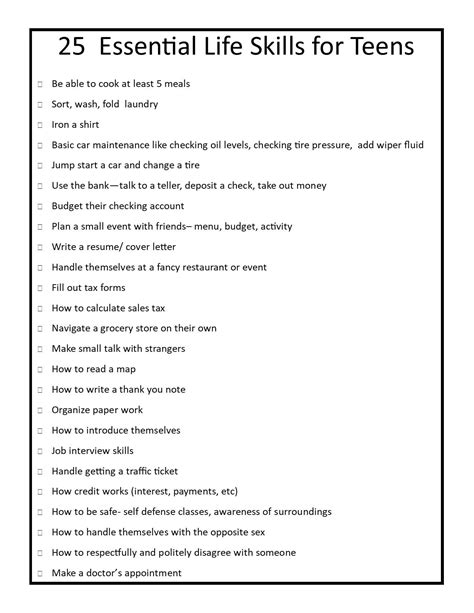
Encourage youth to grow as people with life skills groups.
- Lists of life skills: one page, 6 pages
- Prepare for acute injury or illness with first aid or emergency response groups.
- Build social intelligence with relationship skills groups.
- Learn to get a job and financial literacy.
Maintain structure and strengthen emotion regulation with psychoeducational groups.
- Establish clear expectations with rules and community group.
- Use PDFs of skills worksheets for DBT skills/therapeutic groups.
- Acknowledge power differentials, injustice, and unfairness, including faults in ourselves, the hospital, society, and culture.
- Learn from other MHTs how they lead good groups.
Manage the milieu and de-escalate youth.
- Manage the millieu and de-escalate youth.
- Encourage self-structured management of boredom and stimulation with games, crafts, or the playlist.
- Donate books for the library.
Learn about recovery, peer support, and alternatives to the medical model.
- Books and films about supporting recovery.
- Learn about recovery and peer support.
Work together.
- Refer people to local resources.
- How to save crisis numbers in your phone (image).

?CC BY-SA. Most materials on this site peer reviewed by psych nurses, therapists, MHTs, and people who've been or currently are psych inpatients.